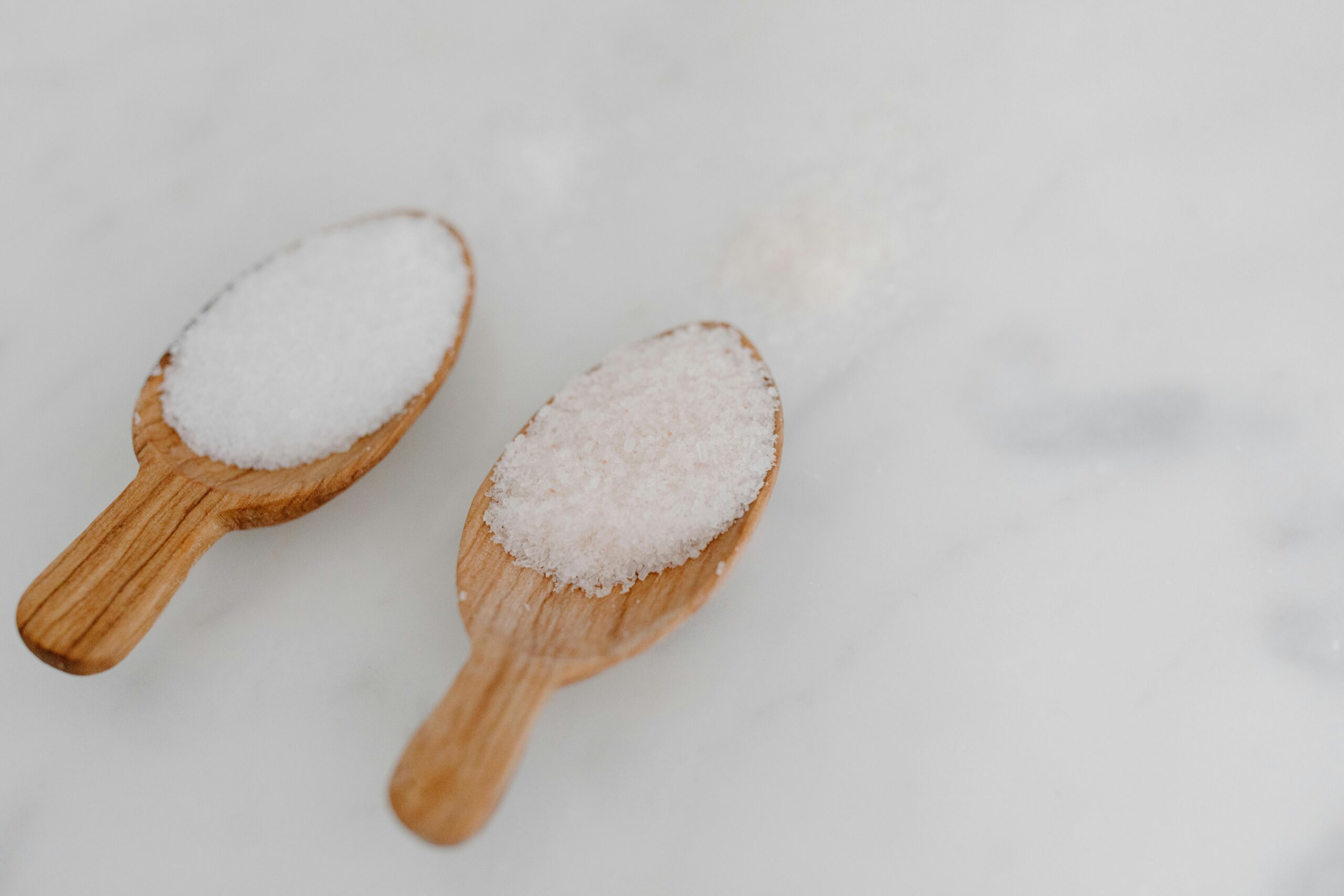
Salt is an inexpensive, widely available, and surprisingly effective cleaning ally. On this page you’ll find practical recipes, clear ratios, step-by-step guides, and notes on where salt works best — and where it doesn’t. These mixes use ordinary table salt as an abrasive, deodorizer, or stain-helper, often combined with lemon, vinegar, or baking soda to replace harsh chemical cleaners.
Tools and storage
- Tools: soft cloths or microfiber towels, non-scratch scrubbing pads, old toothbrush, small bowl, measuring spoons, spray bottle, airtight jar for pastes.
- Storage: Store homemade pastes in an airtight glass jar in the fridge for up to 2 weeks. Liquid mixes (vinegar + salt) are best mixed fresh before use and kept in a labeled spray bottle for up to 1 week.
- Safety: Do not mix salt+vinegar with bleach or products containing chlorine. Test mixtures on an inconspicuous area before using on delicate surfaces (marble, limestone, natural stone, silk, leather).
Quick reference: recipes and ratios
- All-purpose abrasive paste (salt + liquid): 2 tbsp salt + enough water or vinegar to make a spreadable paste.
- Lemon brightening scrub: 2 tbsp salt + 1 lemon (juice) — use pulp and rind to scrub or make a paste with juice.
- Baking soda salt scrub (deeper cleaning): 1 tbsp salt + 1 tbsp baking soda + splash of water or vinegar to form paste.
- Vinegar salt spray (deodorize & cut grease): 1 cup white vinegar + 1 tbsp salt — dissolve, pour into spray bottle, dilute 1:1 with water for sensitive surfaces.
- Rust spot helper (salt + lemon): sprinkle salt on spot, squeeze lemon over, let sit 30–60 minutes, rinse.
- Drain refresher: 1/2 cup salt + 1/2 cup baking soda, pour down drain, follow with boiling water.
Step-by-step guides for common tasks
1. Cleaning cast-iron pans
- After cooking, while still warm, sprinkle 1–2 tbsp coarse salt into the pan.
- Use a folded paper towel or soft cloth to scrub the pan; salt acts as an abrasive to remove stuck-on food.
- Rinse with warm water (no soap), dry immediately, and re-season with a thin layer of oil if needed.
2. Removing stains from cutting boards (wood or plastic)
- Sprinkle salt over the stained area.
- Rub with half a lemon (cut side down) or pour lemon juice over salt and scrub with a brush.
- Rinse thoroughly and air dry upright.
3. Cleaning stainless steel sinks and fixtures
- Make a paste: 2 tbsp salt + 1 tbsp water (or vinegar) to form a thick paste.
- Apply with a soft cloth, rub in the direction of the grain, avoid harsh scrubbing on polished finishes.
- Rinse and buff dry with a microfiber towel.
4. Oven spill cleanup (baked-on grease)
- Mix 3 tbsp baking soda + 2 tbsp salt + enough water to make a paste.
- Spread over the stained area, let sit 20–60 minutes.
- Scrape gently with a plastic spatula and wipe clean with a damp cloth. Repeat if needed.
5. Grout and tile revitalizer
- Mix 1 tbsp salt + 1 tbsp baking soda + splash of vinegar to form a paste.
- Apply to grout lines, scrub with a toothbrush, let foam and sit 10–15 minutes, then rinse.
When salt is effective — and its limits
- Great for: abrasive cleaning of cookware, sinks, metal surfaces, removing food stains from boards, tackling rust spots, deodorizing, and boosting scrubbing power of baking soda.
- Works well combined with: lemon (acid + abrasion), vinegar (acidic degreaser), baking soda (gentle alkali + abrasion).
- Not recommended for: polished or soft stone (marble, travertine), lacquered wood, silk, velvet, or painted surfaces that can scratch or etch. Avoid long contact on metal that can corrode if not rinsed promptly.
Practical notes and tips
- Coarse salt is slightly more abrasive than fine table salt; use coarse for heavy scrubbing and fine for gentler tasks.
- Always rinse thoroughly after salt cleaning to remove residue; salt left on metal can promote corrosion over time.
- For persistent stains, repeat treatment rather than increasing force — repeated gentle treatment preserves surfaces better than aggressive scrubbing.
- Label homemade mixtures and include preparation date. Discard pastes older than two weeks.
- Combine salt methods with mechanical action (scrub, brush) — salt rarely dissolves stains without friction.
Salt-based cleaners are inexpensive, low-toxicity alternatives for many everyday tasks. Used thoughtfully — with the right ratios, tools, and surface tests — they reduce reliance on harsh chemicals while delivering solid cleaning power. Keep this quick reference handy next to your cleaning station as a simple guide to mixing, storing, and applying salt-based cleaners around your home.