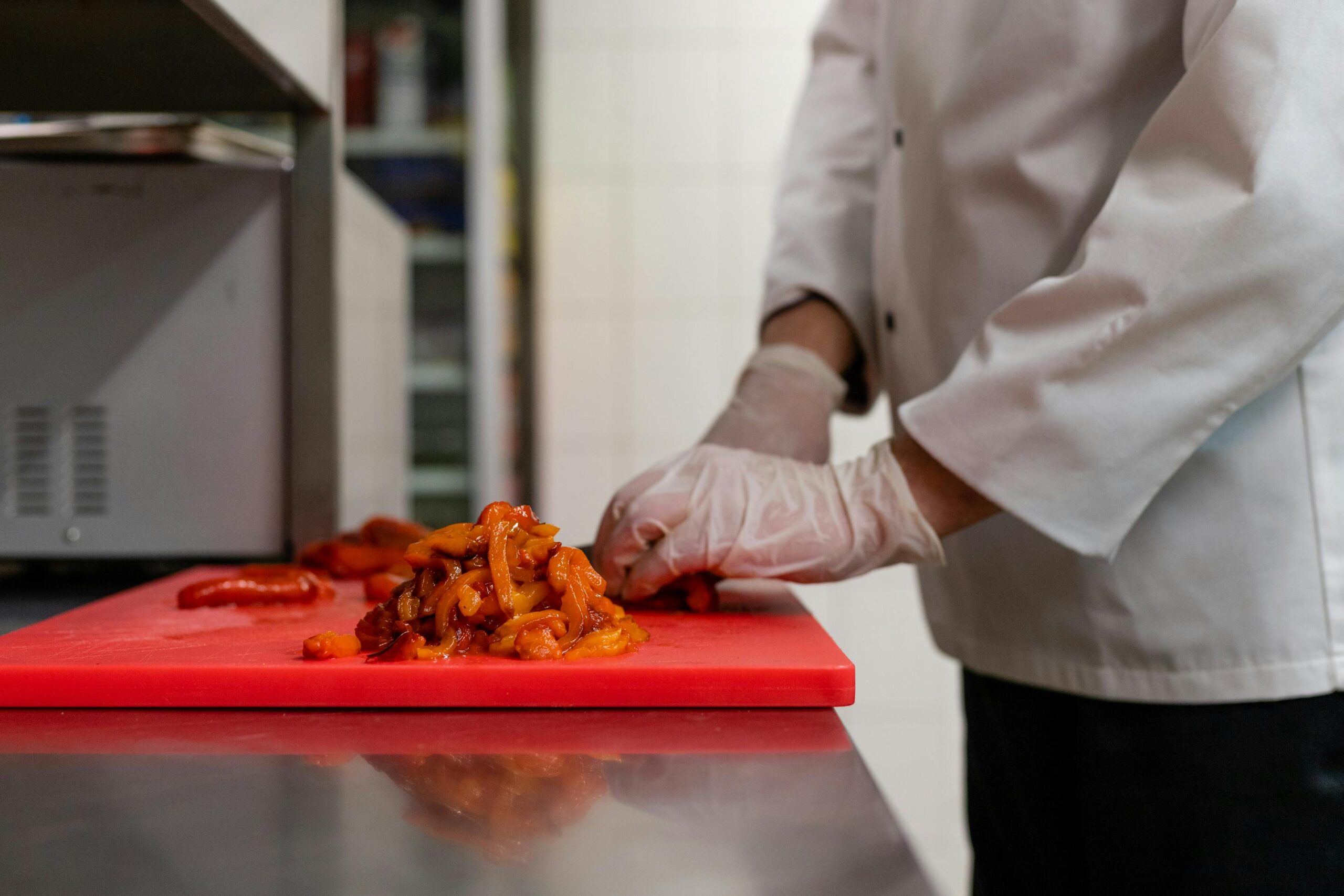
Every home cook knows that a clean cutting board is essential for safe, tasty food. Wooden and plastic boards require different approaches: wood needs gentle but effective cleaning to avoid warping and damage, while plastic can tolerate stronger scrubbing and occasional heat. Below are tested methods using common ingredients—salt, lemon, and baking soda—plus scrubbing techniques and care tips to keep your boards sanitary and long-lasting.
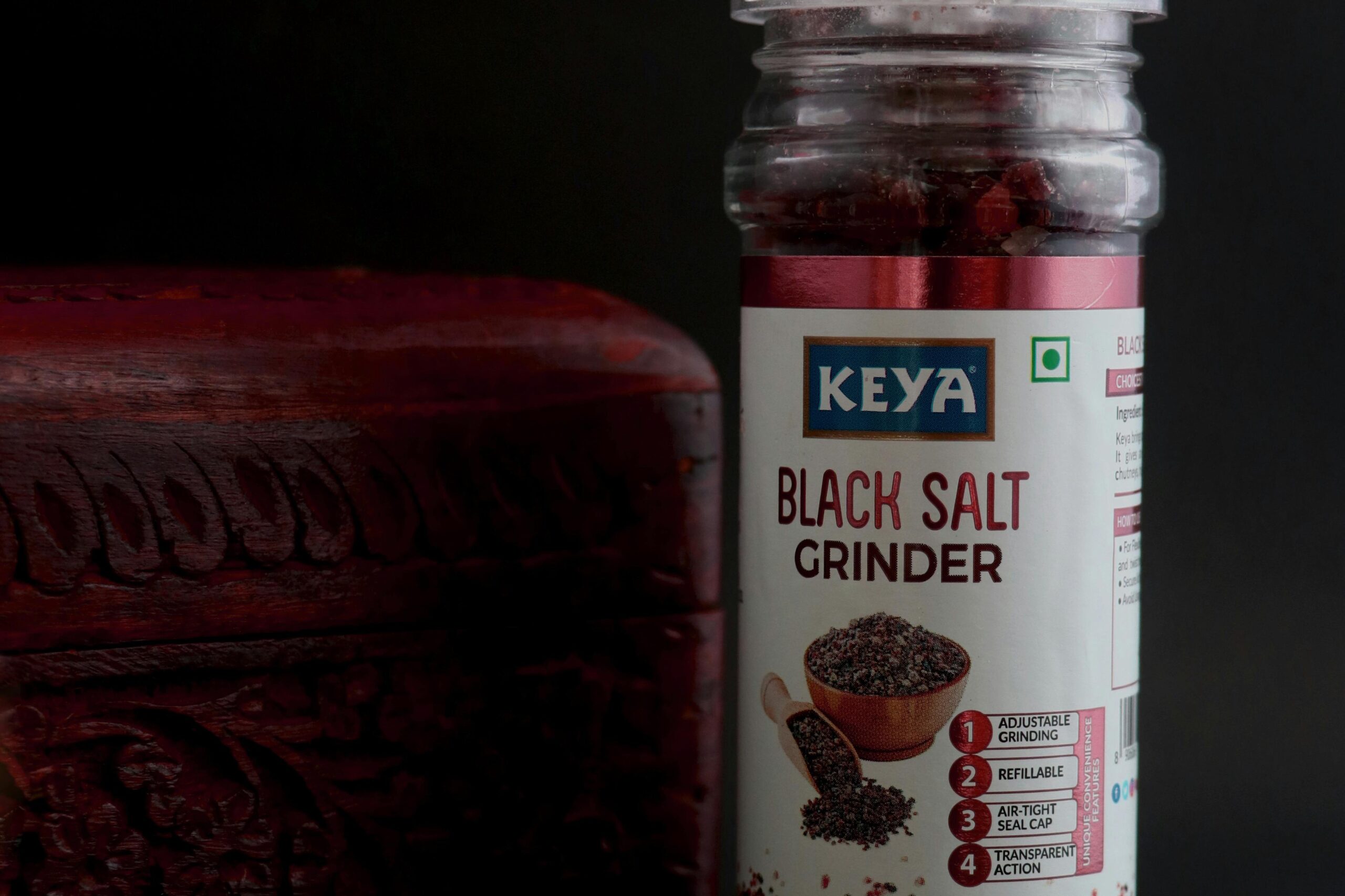
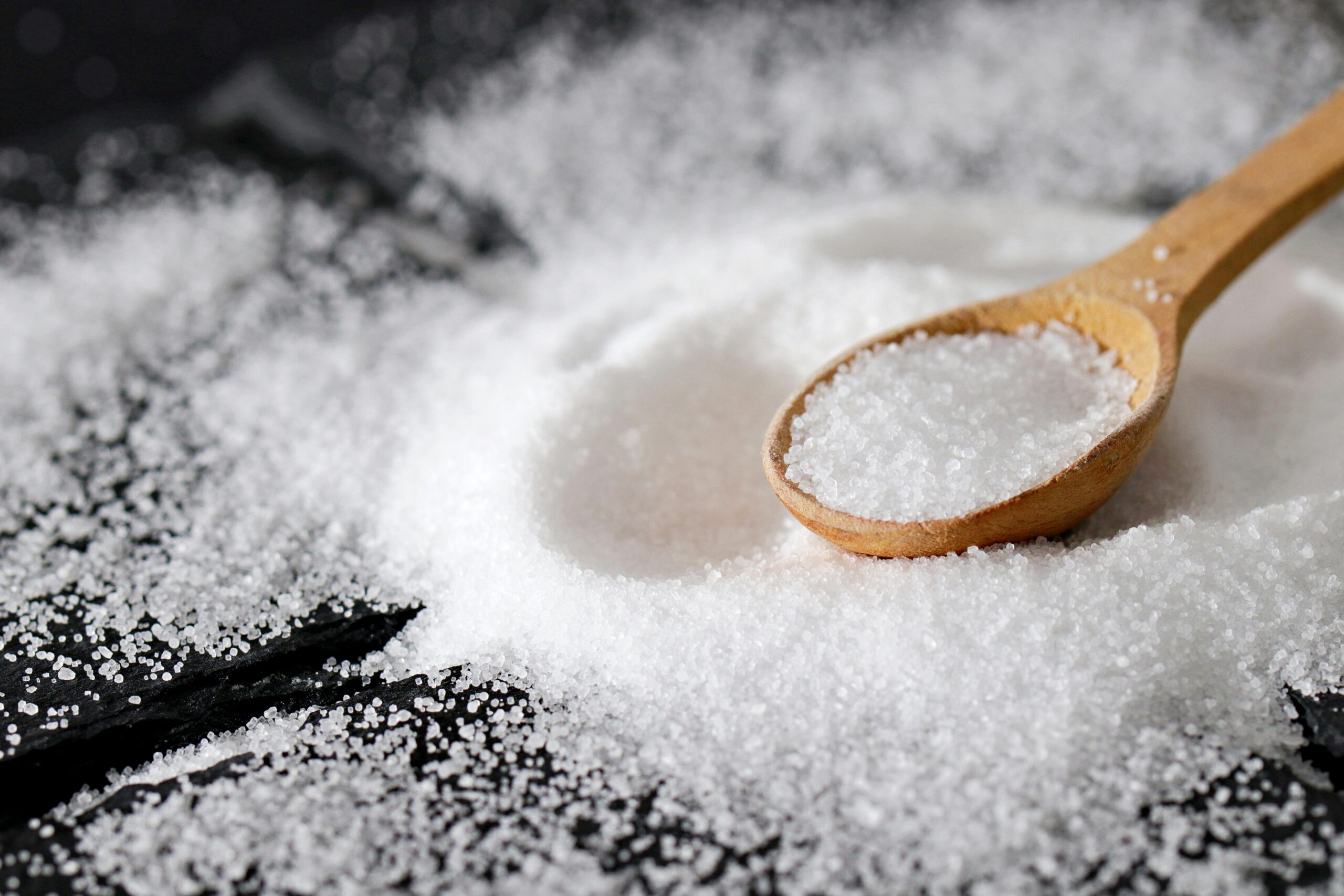
Why these ingredients? Coarse salt acts as an abrasive to lift stains and trapped debris without harsh chemicals. Lemon brings acidity and natural antimicrobial properties plus a fresh scent. Baking soda is mildly abrasive and excellent at neutralizing odors and breaking down stains. Combined, they provide an accessible, food-safe cleaning routine.
Quick Routine: Salt + Lemon (Best for Wooden Boards)
Use this when your wooden board smells, has surface stains, or needs a quick refresh.
- Sprinkle a generous layer of coarse kosher salt over the stained or smelly area.
- Cut a lemon in half and use the cut side to scrub the salt into the wood with firm, circular motions. Apply pressure but avoid gouging the surface.
- Let the salt and lemon sit for 5–10 minutes to lift stains and neutralize odors.
- Wipe with a damp cloth, rinse quickly if needed, and pat dry with a clean towel.
- Stand the board upright to air-dry completely (this prevents warping).
Notes: For deeper stains, repeat the process or follow with a light sanding (fine-grit sandpaper) and re-oil the surface.
Baking Soda Paste (Plastic and Wood for Stubborn Stains)
Great for coffee, turmeric, or persistent food stains and lingering odors.
- Mix baking soda with a little water to form a spreadable paste.
- Apply the paste to the stained area and let sit 10–15 minutes.
- Use a scrub brush or a non-abrasive scouring pad and scrub in circular motions.
- Rinse thoroughly and dry. For plastic boards, you can follow up with a dishwashing cycle if dishwasher-safe.
Sanitizing Tips
- White vinegar spray: After cleaning, spray undiluted white vinegar on the surface, let sit a few minutes, then wipe. Vinegar has mild antimicrobial action and is food-safe.
- Dilute bleach (rare use): For plastic boards that need deep sanitizing (after raw meat contact), a solution of 1 tablespoon of unscented bleach per gallon of water can be used. Apply briefly, rinse thoroughly, and air-dry. Avoid bleach on wooden boards—it can damage the wood and finish.
- Hydrogen peroxide: A 3% hydrogen peroxide can be used to spot-sanitize cuts or grooves—apply, let bubble briefly, then rinse.
Scrubbing Technique and When to Sand
Technique matters to avoid damaging the board. For wood, scrub with the grain when using a brush or sandpaper; this minimizes visible scratches. For stubborn grooves, use fine-grit sandpaper (180–220 grit) to lightly sand the area until smooth, then clean and re-oil. For plastic boards, scrubbing across the surface is fine—plastic is more forgiving—but deep grooves in plastic should be a replacement signal because bacteria can hide there.
Care Tips to Avoid Warping or Damage
- Never put wooden cutting boards in the dishwasher. High heat and prolonged water exposure will warp and split them.
- Avoid soaking wood. Quick rinses are good; long baths are not.
- Dry upright with good airflow. Lay boards on their edges to air-dry so both sides dry evenly.
- Oil regularly: Use a food-grade mineral oil or a dedicated cutting-board oil (not cooking oils like olive oil, which can go rancid). Apply a thin coat, let it soak in for a few hours or overnight, and wipe off excess. Frequency: every month or whenever the wood looks dry or pale.
- Use a wax finish if you want extra protection: a beeswax and mineral oil blend gives a moisture-resistant layer and a pleasant sheen.
- Replace when deeply grooved: If knife cuts are deep and don’t sand out, replace the board—grooves harbor bacteria that are hard to sanitize fully.
Special Notes for Plastic Boards
Plastic boards are easier to sanitize with hot water, bleach solutions, or dishwasher cycles (if rated dishwasher-safe). However, like wood, they should be replaced when deep-cut grooves appear. Consider keeping a color-coded set: one for raw meat, one for produce, one for bread/cheese to minimize cross-contamination.
Final Checklist
- For everyday refresh: salt + lemon for wood; baking soda paste for stubborn stains.
- Sanitize plastic with dishwasher or dilute bleach solution when needed.
- Do not submerge wooden boards; dry upright and oil regularly.
- Sand lightly when necessary and re-oil—to restore and extend board life.
- Replace any board with hard-to-remove grooves or persistent staining and odors.
With a little routine care—simple cleaning, occasional sanitizing, good drying habits, and periodic oiling—both wooden and plastic cutting boards can remain safe and attractive for years. These everyday pantry ingredients and techniques keep cleaning natural, affordable, and effective.



Maya R.
Great tips — I used the salt and lemon trick on my walnut board and it looks and smells much better. The sanding advice was also super helpful.
Jon P.
I always wondered about vinegar for sanitizing. Tried it today after the baking soda paste and felt confident about it. Thanks for the clear bleach guidance for plastic boards too.
Sofia L.
Quick question: how long should I wait after oiling before using the board again? Your post helped me decide to stop putting wood in the dishwasher!
Ethan G.
Solid, practical post. One tip I’d add: store boards in a dry spot with circulation to prevent musty smells. Replaced one seriously grooved board after these recommendations.