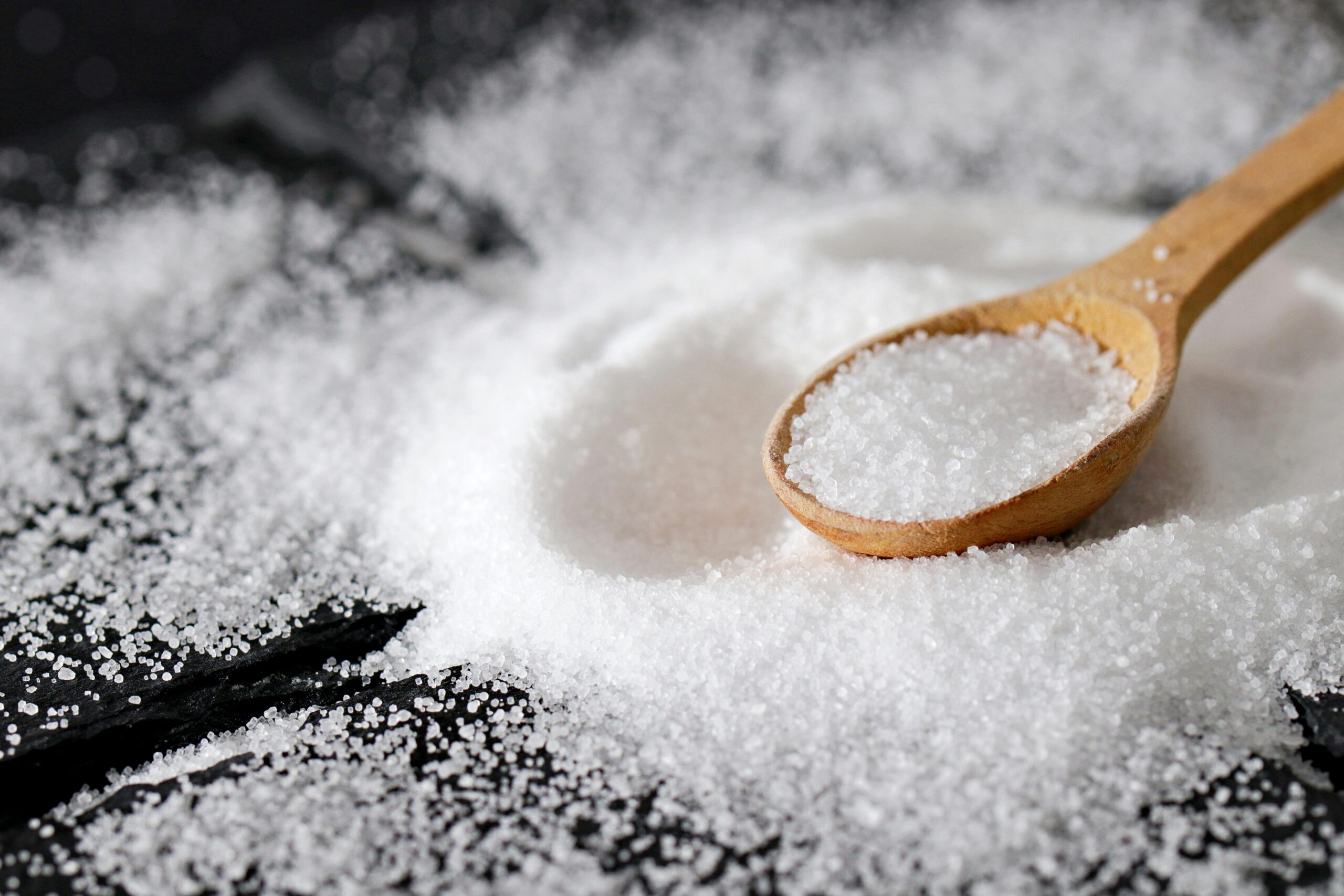
Salt is an inexpensive, widely available household item that can help absorb odors and loosen surface dirt on carpets and rugs. When used properly — and with a few common-sense precautions — coarse salt can be an effective first step before a deeper cleaning or vacuuming. This post covers materials, step-by-step instructions, recommended dwell times, and best practices for handling spills and pet stains safely.

What you need
- Coarse salt (table salt can work, but coarse salt is more absorbent)
- Vacuum cleaner with attachments
- Soft brush or broom
- Paper towels or clean cloths
- Spray bottle with cold water (for rinsing spots, optional)
- Enzyme cleaner for pet urine (if needed)
Preliminary precautions
- Always test in an inconspicuous area first. Sprinkle a small amount of salt on the carpet and check after an hour to ensure the fiber or dye is not affected.
- Keep pets and children away from the area while salt is sitting. Ingesting large amounts of salt can be harmful, and salt may irritate paws.
- Avoid using salt on delicate natural-fiber rugs like silk or some wools unless the rug maker recommends it. When in doubt, consult a professional cleaner.
Basic deodorizing method
- Remove loose dirt. Vacuum or sweep the surface to remove crumbs and surface dust. This makes the salt more effective.
- Spot test. Apply a small pinch of salt to an inconspicuous spot and wait 30–60 minutes to confirm no color loss or fiber damage.
- Apply salt evenly. For odors or overall freshening, sprinkle a light, even layer of coarse salt across the affected area. You don’t need to pile it up; a thin covering is usually enough to absorb moisture and odor.
- Optional boost. For stubborn odors, mix equal parts coarse salt and baking soda and apply that blend. Baking soda adds extra deodorizing power. Do not add essential oils if pets will be left in the area, because many essential oils are toxic to animals.
- Dwell time. Let the salt sit for at least 15–30 minutes for light smells. For stronger odors, leave it 2–12 hours or overnight. If the room is used by pets, choose a time when they can be kept away.
- Loosen and pick up. Use a soft brush to gently work the salt into the pile if the carpet is dense; then vacuum thoroughly. Repeat if needed.
Handling fresh spills (coffee, wine, juice)
- Blot up as much liquid as possible with paper towels or a clean cloth. Do not rub; blotting prevents pushing the stain deeper.
- Sprinkle salt over the damp spot to draw out remaining moisture. The salt will begin to clump as it absorbs the liquid.
- Let it sit 15–60 minutes depending on how much liquid was present. For a heavy wine spill, overnight may help.
- Vacuum or gently sweep up the salt. If some residue remains, rinse the spot with a small amount of cold water and blot dry, then vacuum when dry.
Dealing with pet stains safely
Pet stains require special care because they can contain urine, which may penetrate to padding and reek if not fully removed.
- Act quickly for fresh accidents. Blot up as much urine as possible with paper towels. Avoid scrubbing.
- Apply salt to absorb. Sprinkle a generous layer of coarse salt over the damp area. Leave it for 30 minutes to a few hours to absorb moisture and reduce immediate odor.
- Remove salt and assess. Vacuum up the salt. If the odor or stain persists, follow with an enzymatic urine cleaner according to the product instructions — these break down the organic compounds that cause odor.
- Rinse and dry. If you use a liquid cleaner, rinse lightly with cold water and blot dry. Avoid heat until you are sure the stain and odor are gone, because heat can set some stains.
- When to call a pro. If the odor returns after drying, it may have penetrated padding or subfloor. Professional carpet cleaning (hot water extraction) is often needed.
Tips, warnings, and troubleshooting
- Avoid mixing salt with strong oxidizers like bleach on the carpet; this can damage fibers or dyes.
- If the area feels gritty after vacuuming, pre-vacuum again and use the upholstery attachment to remove trapped granules.
- For delicate rugs, consider a dry-cleaning powder made for that fiber, or consult a rug cleaner rather than using salt.
- If odors persist despite repeated salt applications and enzyme treatments, a professional deep-clean or pad replacement may be necessary.
- Keep pets away until you have vacuumed or rinsed the salt completely. If a pet walks through salt, rinse their paws to avoid irritation.
Conclusion
Coarse salt can be a handy, low-cost tool to absorb moisture, pull out fresh spills, and reduce mild odors on carpets and rugs. It works best as a first-aid or maintenance step rather than a full replacement for vacuuming and occasional deep cleanings. Always do a spot test, protect pets and children while salt is in use, and follow up with enzymatic cleaners or professional services for entrenched pet odors or set-in stains.



Olivia P.
One caution: my wool runner felt a bit stiff after using salt, so I recommend testing and avoiding delicate fibers. Otherwise this was a great, cheap trick for quick freshening.
Maya R.
Tried this on a coffee stain and it worked better than I expected. Left it overnight and vacuumed in the morning. No discoloration on my synthetic rug after a spot test first.
Jack T.
Helpful tips on pet stains. I learned the hard way that enzyme cleaner is essential after using the salt. Thanks for the reminder to keep pets away while the salt sits.