
Clogged or smelly drains are a common household nuisance. Commercial chemical cleaners can be harsh on pipes and the environment, and frequent use can damage plumbing. A simple, natural approach using salt, hot water, and occasionally vinegar can help dissolve buildup and reduce odors. Below is a practical, safe, step-by-step guide to using salt-based treatments for routine drain maintenance and what signs mean you should call a professional plumber.
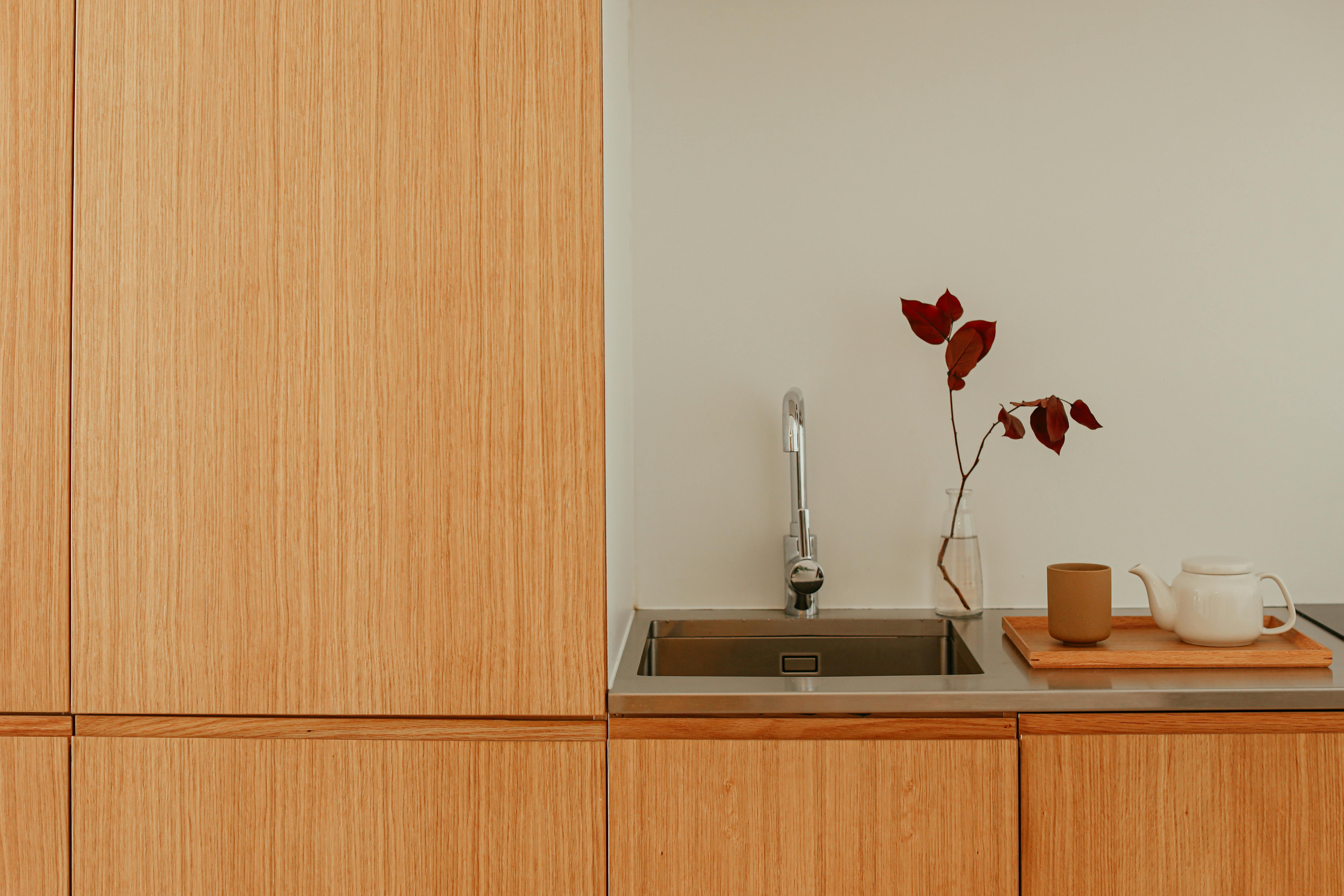
Why salt works: Salt is slightly abrasive and can help break down greasy residues and small accumulations when used with hot water. It also helps scour the interior of the drain and can reduce organic residues that produce odors. Adding vinegar occasionally creates a mild foaming action with any residual alkaline substances, helping to dislodge light clogs. This method is best suited for slow drains and maintenance, not severe blockages.
Materials you will need
- Table salt or rock salt (about 1/2 to 1 cup per application)
- Boiling or very hot water (see safety notes below)
- White vinegar (optional, 1/2 cup)
- Gloves and eye protection if desired
- Plunger, drain snake, or plumbing auger for tougher clogs
- Towel or bucket to catch any spills
Step-by-step safe procedure
- Clear visible debris: Remove any hair or food debris from the drain opening by hand or using a small tool. This prevents the salt from just sitting on top of a large obstruction.
- Boil water carefully: Heat water to a near-boil. For metal pipes, boiling water is usually fine. For PVC or plastic pipes, use very hot water but not fully boiling to avoid softening the plastic. If you are unsure which your home has, err on the side of caution with hot but not boiling water.
- Add salt: Pour 1/2 to 1 cup of salt directly into the drain. For bathroom sinks with hair clogs, you can use the higher end. Salt can be table salt, kosher salt, or rock salt.
- Optional vinegar step: For extra cleaning and odor control, pour about 1/2 cup of white vinegar into the drain after the salt. Expect some mild fizzing if residues are present. Allow the mixture to sit for 10 to 15 minutes.
- Flush with hot water: Carefully pour the hot water down the drain in stages, allowing the water to work through the pipe. This will help dissolve and wash away loosened grease and organic material.
- Repeat if necessary: If the drain is still slow, repeat the salt and hot water treatment once more. If you have a plunger, try a few plunges between treatments to help dislodge the clog.
- Use a drain snake for stubborn blockages: If the salt method does not restore proper flow after 2 attempts, try a manual drain snake or auger to reach and remove the obstruction. Avoid combining salt or vinegar with commercial chemical drain cleaners; reaction or residues can be hazardous.
Safety and limitations
- Do not pour boiling water on glass or ceramics that may crack, and be careful to avoid burns when handling hot water.
- Avoid mixing vinegar or household acids with bleach or ammonia based cleaners. Chemical reactions can release harmful fumes.
- This salt method is best for mild grease buildup, soap scum, and odor control. It will not remove solid items, dense scale, or tree root intrusions.
- If you have older, heavily corroded pipes, check with a plumber before using very hot water regularly.
When to call a plumber
Use the salt and hot water treatment for preventive maintenance and mild slow drains. Call a professional if you experience any of the following:
- Drain remains fully blocked after using a plunger and two salt treatments.
- Repeated clogs in the same drain despite repeated DIY attempts.
- Multiple drains in the house are slow or backing up, which may indicate a main sewer line problem.
- Foul sewage odors that persist, bubbles in toilets or gurgling sounds that indicate venting or sewer issues.
- Water backing up into sinks, showers, or toilets, or any sign of sewage concern.
Maintenance schedule and tips
For healthy plumbing, consider a monthly maintenance routine: pour 1/2 cup of salt followed by hot water down kitchen or bathroom drains. For kitchen sinks that receive grease, do this more often or also flush with hot water after each greasy dishwashing session. Use a sink strainer to catch food particles and hair traps for bathroom drains to reduce the amount of debris reaching the pipes.
Salt-based maintenance is inexpensive, environmentally friendlier than many chemical cleaners, and often effective for routine cleaning and freshening. However, it is not a substitute for professional inspection and service when a serious or persistent problem exists.
If you try these steps and your drain performance does not improve, or if you suspect a deeper issue, contact a licensed plumber to diagnose and repair the problem safely.






Handy Pete
For heavy grease, every two weeks is reasonable. Also use a grease trap or avoid pouring grease down the drain to reduce clogs.
Marcus T
Good reminder about not mixing vinegar with bleach. I had a nasty chemical smell years ago from that mistake. Salt method seems gentle and effective for light maintenance.
Sofia L
How often would you recommend doing this in a household with a lot of cooking grease? Monthly or every two weeks?
Emily R
Tried this on my kitchen sink and it worked better than I expected. Used warm but not boiling water since my pipes are PVC. Thanks for the clear steps.